What Happens During a Professional HVAC Service Call: A Step-by-Step Homeowner Walkthrough
When you search for hvac technician near me, you want clarity as well as service. This step-by-step homeowner walkthrough explains the full flow of a professional HVAC service call—from arrival safety checks to the final maintenance plan—so you understand what the tech does, why it matters, and what to expect on your bill. Brought to you with Eva Home Services’ commitment to cleaner air, energy efficiency, and transparent, safety-first care, this guide helps you prepare, evaluate findings, and decide your next steps with confidence.
1. Arrival and Safety Checks: What to Expect When the Technician Arrives
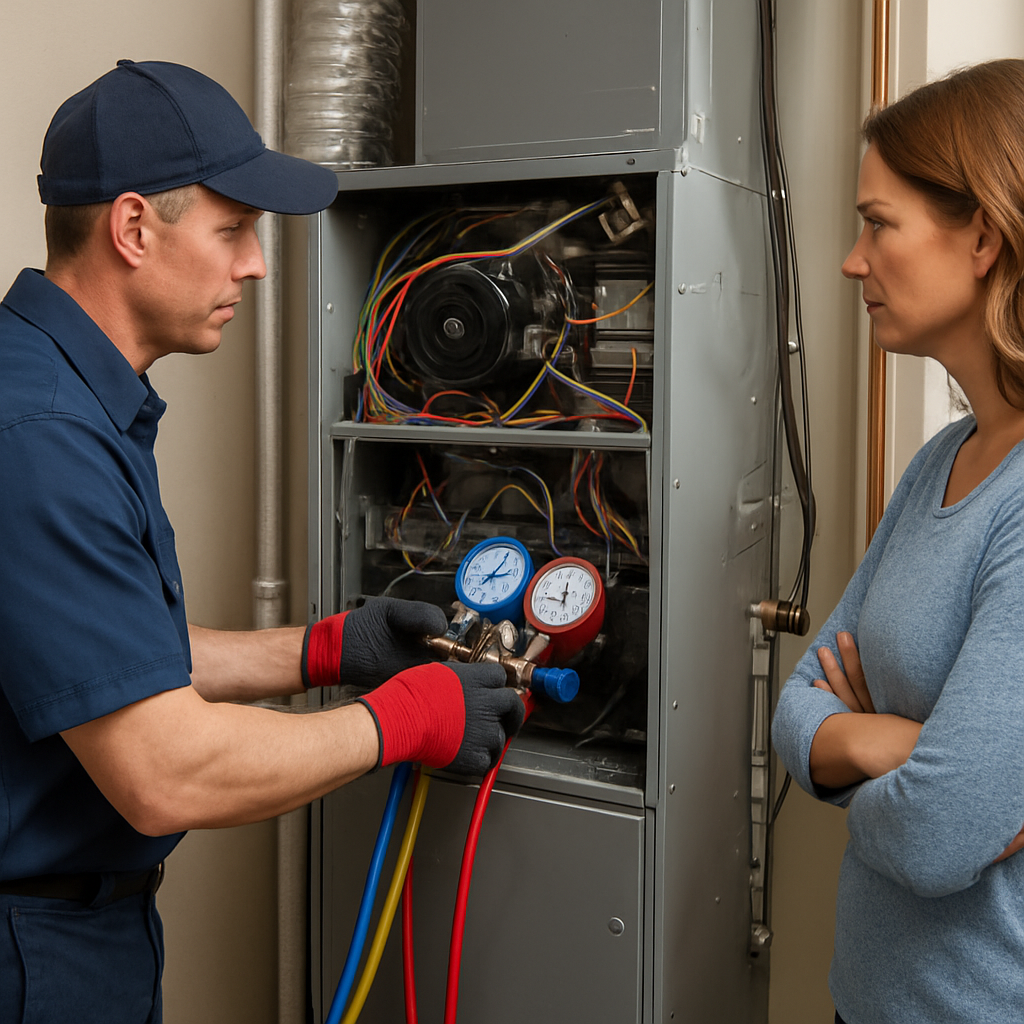
The first 10 minutes of any service call are the safety and access phase. The technician verifies identity, confirms the appointment window, and reviews access routes to the equipment to avoid surprises once work begins. For homeowners searching hvac technician near me, this is where you assess locality, licensing, and safety standards.
- Identification and arrival practices: The technician shows company ID and confirms the planned scope and estimated start time.
- Scheduling expectations and access needs: They outline how long the visit will take and any access requirements (gate codes, parking, pets).
- Initial safety review and equipment access: They check pet safety, power shutoffs, CO concerns, and ensure you can reach the furnace/air handler.
- What homeowners should have prepared: Access to the equipment area, any manuals or last service reports, and visibility of the outdoor unit.
Delays often stem from access issues. A quick pre-visit note or a text with gate codes, and moving pets away from the equipment can save 15–30 minutes and keep the rest of the visit on track.
Concrete Example: In a recent two-story home, the tech arrived on time, verified the homeowner’s gate code, and immediately shut off the furnace disconnect before opening the mechanical closet. They checked the CO detectors in the hallway and confirmed thermostat visibility from the living area before proceeding to inspect the air handler. This approach prevented surprises during the diagnostic phase and set a clear path for the remainder of the visit.
During safety checks, the technician will typically note any immediate safety concerns (such as a questionable gas connection or a tripped CO detector) and clarify whether power needs to remain off for part of the visit. This level of transparency helps you understand what will happen now and what may require a return visit.
Takeaway: The arrival and safety checks are the essential boundary between a routine inspection and a productive, safe service. Have access prepared and confirm any special access needs ahead of time.
2. Diagnostic Kickoff: The Structured Inventory of Your HVAC System
The diagnostic kickoff sets the frame for how the visit unfolds. It turns symptoms into a system picture and keeps the focus on safety, accuracy, and actionable next steps.
The technician begins with a structured intake of the core facts: system age and model numbers, any prior service notes, and a concise report of what symptoms prompted the call. This baseline makes it possible to distinguish a routine wear item from a failing component and to separate repairs from replacements.
- System age and model numbers: quick reference to parts availability, expected life, and compatibility with potential upgrades.
- Safety and performance checks: verify gas connections, electrical status, flame sensor condition if present, and CO detectors for the living space.
- Baseline measurements: voltage, amperage, and thermostat communication status to establish a reference point.
A practical example: in a 12-year-old gas furnace setup, the technician notes the furnace model and runs a baseline that shows a small voltage dip under peak fan load. They flag it as a potential loose connection rather than an immediate failure, then test the thermostat and wiring to confirm they aren’t the root cause.
One key limitation is that these checks are snapshots. Real performance varies with outdoor temperature, run cycles, and system demand. A baseline can miss intermittent faults or refrigerant leaks that only appear during operation, which is why the diagnostic phase includes controlled tests and follow-up measurements.
The kickoff yields a transparent, written plan: what was found, what must be tested further, and the likely timeframes and costs for repairs or replacements. If the house has an aging IAQ setup or a desire to upgrade for energy efficiency, the notes here guide whether a tune-up, coil cleaning, or a duct inspection will yield the best return.
Takeaway: The diagnostic kickoff is your map for the rest of the visit. It delivers a prioritized action list, clear cost expectations, and a defensible plan for safety, comfort, and energy use.
3. Airflow, Comfort, and Controls: What the Technician Tests
During this phase, the focus is on how air actually moves through your home and how the controls respond to demand. An hvac technician near me will verify airflow balance, inspect ducts for leaks, and confirm that the thermostat and zoning respond correctly. The goal is to turn comfort into measurable data, not vibes, and to flag bottlenecks before they waste energy or shorten equipment life.
What gets tested during airflow and control checks
Airflow and static pressure checks are the backbone of this phase. The technician uses a manometer or digital meters to compare supply air to return air, looks for pressure drops across filters, coils, and registers, and notes any leaks in accessible ducts. They also verify that the current filter is appropriate for the system and that the return path isn't choking the blower. For homeowners evaluating contractors, see Choosing heating and cooling contractor guide.
- Airflow and static pressure checks: verify that supply air delivers the expected volume to living spaces, inspect ducts for leaks, and replace a dirty filter if needed.
- Thermostat calibration and zoning: confirm readings match room temperatures, test zone dampers or return paths, and ensure smart thermostats communicate with the control board without delays.
- Coil cleanliness and condensate drain inspection: check the evaporator coil for fouling, inspect the condensate drain for clogs, and verify safety switches are functional.
Example: In a two-story home, the upstairs stayed warmer in the late afternoon. The tech measured airflow, found a restricted return and a small duct leak, and replaced the clogged filter while sealing the leak. After the work, the upstairs comfort improved and the system ran more efficiently.
A practical limitation to flag: addressing airflow imbalances often requires multiple interventions and can extend beyond a single visit. Duct sealing, damper adjustments, or adding returns may be needed, which increases time and cost but yields durable comfort gains and energy savings.
Takeaway: Use the test results as a map for next steps—prioritize fixes that improve comfort now while aligning with longer-term energy efficiency goals.
4. Typical Service Tasks You Might See
During a typical service call, you’ll see a focused set of tasks aimed at preserving airflow, safety, and dependable operation. The technician tackles the basics first—filter changes, visible coil condition, and drainage considerations—then proceeds to checks that prevent hidden faults from becoming costly failures. This sequence is practical: it protects comfort, indoor air quality, and energy efficiency. A practical cadence for homeowners is annual tune-ups, and Eva Home Services provides a transparent framework for what that entails. For context, see our maintenance guide here: Eva Home Services maintenance guide.
- Filter replacement and filter-type guidance: The tech installs a fresh filter and explains how MERV rating, blower capacity, and indoor air quality goals influence the choice.
- Coil cleaning and blower motor checks: They inspect the evaporator coil for grime, perform a light cleaning if needed, and verify blower motor operation and bearings; refrigerant checks or adjustments are limited to licensed technicians when required.
- Drain line clearing, condensate safety checks, and safety switch tests: They clear obstructions, confirm proper drainage, test the float switch, and verify electrical safety switches and gas valves (if applicable).
Example: In a recent visit, a dirty return filter and a minor coil buildup reduced airflow at the main register. The tech replaced the filter, performed a targeted coil cleaning, and cleared a slow condensate line, verifying that the safety switch functioned correctly. The technician documented airflow readings and provided a straightforward cost outlook for the next steps.
Next consideration: set up and stick to a maintenance plan with scheduled tune-ups. That cadence keeps comfort steady, safety assured, and energy use predictable.
5. From Findings to Decisions: How Your Technician Presents Options and Costs
Once the findings are in, the service call shifts from diagnosing to decision-making. In practice, the hvac technician near me will present options in plain language, tying each path to safety, comfort, and long-term costs. Expect transparency, not pressure: the goal is to show what must be fixed now, what can be scheduled, and what alternatives exist if you want to optimize energy use.
Urgency isn’t guesswork; it’s risk-based. A detected heat exchanger crack or CO risk becomes a safety priority with a clear immediacy. For routine wear or efficiency issues, the tech will separate urgent repairs from longer-term upgrades and explain how each choice affects reliability, indoor air quality, and monthly energy costs.
Example: a 12-year-old gas furnace shows a cracked heat exchanger and rising energy bills. The technician outlines three paths: repair the components now (roughly $150–$600), replace with a mid-range high-efficiency furnace ($3,500–$6,500 installed), or upgrade to a modern heat-pump system with ductwork considerations ($8,000–$12,000). They note the safety risk, potential rebates, and how each option affects reliability and energy cost over time.
- Repair path: scope includes parts and labor to fix the fault now, typical duration, and a limited warranty on those components.
- Replacement path: new equipment options, installation considerations, expected lifespan, and available financing or rebates.
- Maintenance plan option: what maintenance is bundled, ongoing IAQ improvements, and how it frames future reliability and energy use.
When the technician talks dollars, expect an itemized approach: parts, labor, permits if needed, disposal, and a clearly stated warranty. A legitimate quote should also spell whether the price includes duct work, attic access, or any required safety upgrades. If your local contractor is Eva Home Services, you’ll also hear about financing options and the typical validity window of the estimate Choosing heating and cooling contractor guide.
Watch for misdirection. The most expensive option is not automatically the right one, and the cheapest repair may yield higher costs later if it delays a necessary upgrade. A solid plan balances upfront investment with anticipated savings from energy efficiency, improved comfort, and fewer future calls. If a homeowner wants reliability, insist on a maintenance plan that covers annual tune-ups and IAQ checks between seasons.
6. Aftercare: Documentation, Maintenance Plans, and Next Steps
After the service, you should walk away with clarity and a plan. The technician provides a written report and a clear maintenance plan that documents what was found and what to do next. This is how you avoid ambiguity and control costs, especially when you search for an hvac technician near me and compare quotes. Expect plain-language findings, not vague impressions, and an outline of safety and energy considerations. See our guide on choosing a heating and cooling contractor Choosing heating and cooling contractor guide.
What the written documentation covers
The report lists issues, their urgency, and suggested actions. It includes equipment age, model numbers, and notes about safety devices, warranties, and thermostat communications. It may include photos or diagrams to illustrate leaks, dirty coils, or airflow restrictions. It should also specify ballpark cost ranges for recommended services and distinguish between repairs and replacements.
Maintenance plans and next steps are where you turn the visit into a sustained program. Most plans include scheduled tune-ups, filter replacements, IAQ checks, and priority scheduling. They come with ongoing commitments: upfront or monthly payments, reminders, and discounts on parts. Many homeowners value the predictability and contractor availability that a plan provides, but you should weigh it against the system's age and your expected usage.
- Review the report and confirm what was found, what is urgent, and what is optional.
- Decide on next actions: repair now, schedule later, or consider replacement parts if the plan covers it.
- Schedule the next tune-up or diagnostic visit and set reminders.
- Enroll in a maintenance plan if it aligns with equipment age, energy goals, and budget.
- Keep a copy of the documentation with service history for your records and for future contractors.
Example: The report flags a dirty evaporator coil and a marginal airflow issue. The homeowner signs up for a 12-month maintenance plan that includes two tune-ups and discounts on parts. Within a season, the system runs more reliably and the monthly energy usage shows a noticeable improvement.
Eva Home Services supports ongoing care with flexible scheduling, transparent pricing, and local, trusted service. The aftercare framework is designed to keep you aligned with cleaner air, energy efficiency, and reliable performance between visits.
Takeaway: Treat aftercare as the real value of a service call. Review the documentation, decide on a maintenance plan if it fits, and schedule the next tune-up now to protect comfort, safety, and efficiency.
7. Eva Home Services Advantage: Credibility, Credentials, and Customer Focus
Homeowners searching for an hvac technician near me expect a local, dependable partner who treats safety and reliability as non-negotiables. Eva Home Services delivers that by sending a uniformed, background-checked technician who arrives on time, uses clean drop cloths, and explains what they’re doing in plain language. The first impression matters because it frames everything that follows: a safe, controlled service call rather than a rushed or opaque visit.
Credentialing matters: a significant portion of the value in a service call comes from who does the work and how they’re prepared to handle your equipment. Eva’s technicians are NATE-certified or hold equivalent credentials, undergo thorough background checks, and participate in ongoing training. They’re licensed where required, insured, and are trained to respect manufacturer guidelines, safety protocols, and local codes. That combination reduces the risk of misdiagnosis and parts misuse, especially on older systems where mistakes can be costly.
- Certified technicians with ongoing training and field updates
- Background checks and clean safety records
- Licensed and insured for residential work
- Local, family-owned service with accountability
- Clear, upfront communication about findings, options, and costs
Transparent pricing and local ownership are core. Eva Home Services provides written estimates upfront, with clear breakdowns for parts, labor, and any consumables. As a local, family-owned business, they stand behind their quotes and make it easy to schedule follow-up tune-ups. That local flexibility matters when emergencies arise or you want a quick follow-up visit without chasing a distant call center. For ongoing care, they encourage maintenance plans and offer seasonal checkups that prevent surprises. For more on maintenance, see the tune-ups guide.
Eco-friendly focus and air quality improvements are central to the service model. The team emphasizes energy efficiency, indoor air quality improvements, and practical maintenance plans that prioritize filter upgrades, coil cleaning, and duct inspections. A real-world trade-off to note: higher-efficiency upgrades can require more upfront investment, but they often pay back through lower energy bills and fewer service visits over several years. Eva frames these as choices grounded in your home’s performance data, not hype. See industry guidance from EPA on indoor air quality for context.
Concrete example: during a routine check at a 15-year-old home, the technician found a sluggish blower relay and a partially blocked condensate line. They explained the safety and comfort impact, performed a repair within the homeowner’s budget, and scheduled a follow-up maintenance visit to catch similar issues early. The homeowner left with a clear plan and confidence in the service they received.