How Long Does an AC Unit Last? Signs It’s Time to Repair vs. Replace
Understanding how long does an ac unit last isn't about a single number; it's shaped by system type, climate, and how you maintain it. This practical guide lays out a clear framework to decide when to repair versus replace, plus concrete signs to watch for and real-world cost considerations. By the end you'll have a straightforward way to assess age, reliability, and energy efficiency—and know when to bring in a qualified contractor for evaluation.
Lifespan by System Type
Lifespan varies by system type and climate, but you can anchor expectations with real-world ranges rather than rumors. This section focuses on the three common residential setups so you can gauge when a repair might be worth it versus when replacement makes financial sense.
Central air conditioners typically last about 12-15 years with regular professional maintenance; heat pumps live in roughly the same window, though climate and usage push the outcome in either direction; and ductless mini-splits span about 10-20 years, with longevity most often improved by meticulous coil cleaning and filter upkeep. Real-world factors include climate, hours of operation, and how well the system has been serviced. For a comparative view of the three system types, see Split-system AC Units: How They Work and Costs.
- Central air conditioners: 12-15 years with annual tune-ups; life can shrink in hot, dusty climates or with neglected maintenance.
- Heat pumps: 12-15 years on average; in milder climates they may last longer, but refrigerant issues or compressor stress from heavy use can shorten life.
- Ductless mini-splits: 10-20 years; individual indoor units can outlive the outdoor condenser if not frequently serviced.
A concrete use-case helps: a 14-year-old central AC in a hot climate has seen steady cooling but rising bills and more frequent trips to the technician. After a professional assessment, the homeowner considers upgrading to a higher-SEER system rather than chasing sporadic repairs, balancing upfront cost against ongoing energy savings.
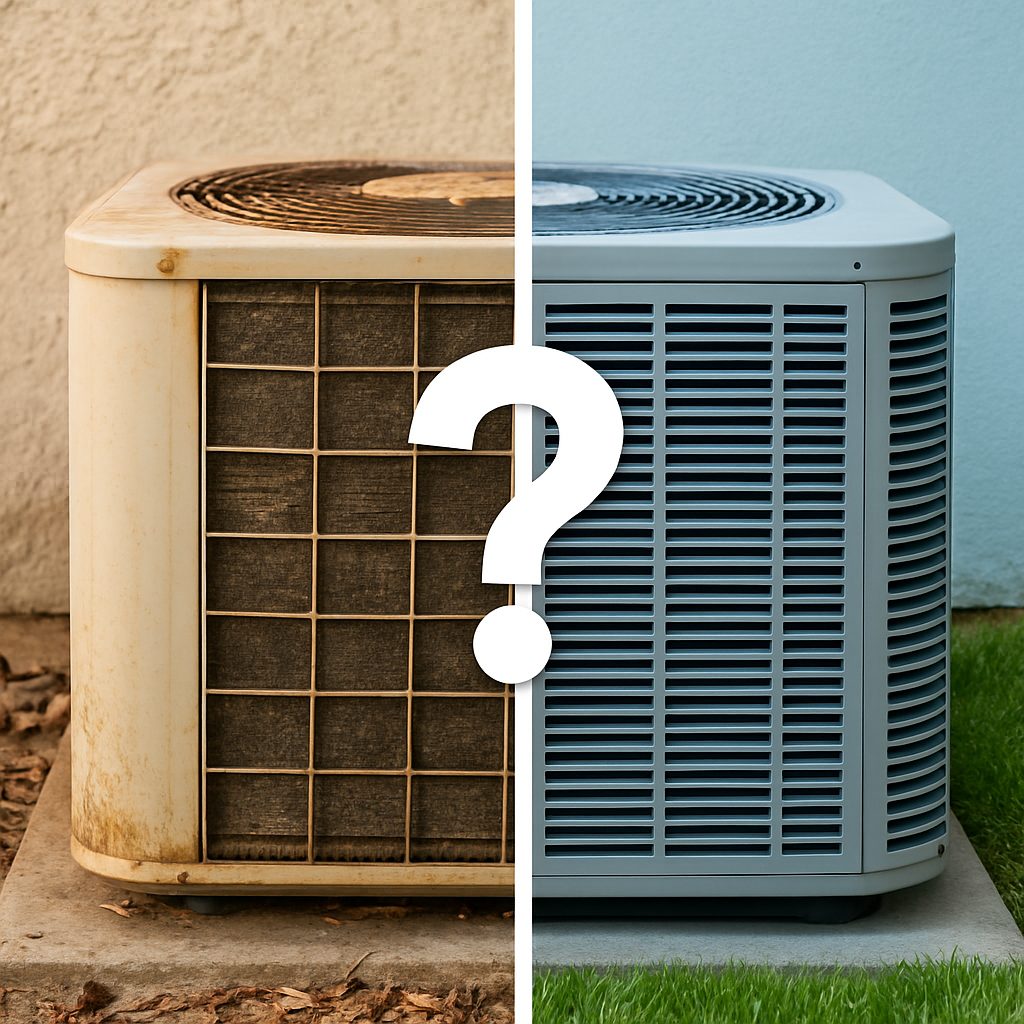
Practical insight: maintenance quality matters more than the model type. Regular preventive service can push the upper edge of the expected life by a couple of years and keep efficiency around its rated SEER. Conversely, aging systems that lose refrigerant or have worn compressors tend to fail unpredictably, making repairs a poor value at some point. For more on efficiency and lifespan, see Energy Star guidance on upkeep and longevity: cooling/airconditioners target=_blank>Energy Star guidance.
Climate and usage patterns also shape outcomes. A ductless system in a temperate climate with modest use can exceed 15 years, while a heavily used central system in a hot, dusty environment may land closer to 12 years.Sizing accuracy, refrigerant health, and duct integrity matter as much as the equipment itself.
Concrete decision point: if you’re evaluating a system approaching the end of its plausible life, plan for a professional load and efficiency assessment to quantify remaining life and potential savings from replacement. The next step is to schedule an in-home evaluation with Eva Home Services to confirm remaining life and options.
Key Factors That Extend or Shorten an AC Lifespan
That AC lifespan is not a fixed number; it's the result of tangible factors you can influence. The big levers are preventive maintenance, the health of the ductwork and system airflow, refrigerant integrity, outdoor unit exposure to heat and weather, and whether the system is properly sized for the load. In practice, climate and usage patterns magnify or soften those effects. A well-maintained central AC in a hot, humid climate behaves differently from a compact ductless system in a cooler region, even when both started with solid components. According to Energy Star, regular preventive maintenance helps preserve lifespan and efficiency. cooling/airconditioners target=_blank>Energy Star
There's a practical trade-off between up-front cost and long-term life. You can chase a premium, high-SEER setup with meticulous load calculations and a robust maintenance plan, and you will cut operating costs; the payoff hinges on consistent upkeep. Skipping tune-ups, neglecting duct sealing, or running an oversized system under heavy use undermines efficiency gains and speeds wear more than a mid-life component swap.
- Preventive maintenance schedule: Regular annual tune-ups, coil cleaning, refrigerant checks, and filter changes keep equipment near its rated efficiency and catch wear before it cascades.
- Airflow and duct integrity: Poor duct sealing or design forces the compressor to run longer, increasing compressor run-time and wear; sealing ducts and balancing airflow adds years to life.
- Refrigerant leaks and charge health: Even small leaks cause efficiency loss and compressor stress; address leaks promptly and maintain proper refrigerant charge to avoid premature aging.
- Outdoor unit exposure and weather: Debris, corrosion from coastal spray, and insufficient clearance trap heat and accelerate components; protective placement, shade, and regular cleaning help.
- System sizing and load calculations: A mis-sized system short-cycles or overworks the compressor; proper load calculations and correct equipment selection matter for longevity.
- Climate and usage patterns plus energy efficiency measures: Long cooling seasons and high humidity accelerate wear; zone control, programmable thermostats, and targeted insulation can reduce runtime and extend life.
Concrete Example: A coastal two-story home neglected annual tune-ups; after 6-8 years, the outdoor coil corroded and a refrigerant leak developed, causing longer run times and a 15–20% spike in summer energy bills. After Eva Home Services performed a leak repair, coil cleaning, and duct sealing, the system cooled more reliably and the incremental cost of energy dropped back toward baseline.
Maintenance discipline yields the best return on investment—keep the system clean, sealed, and correctly charged, and you’ll see the longest, most cost-effective life.
Takeaway: Use a maintenance-driven framework to decide repair vs replacement—prioritize reliability and energy savings over calendar age. If reliability is slipping or repair costs threaten to exceed replacement value, bring in Eva Home Services for an in-home evaluation.
Assessing Age, Condition, and Maintenance History
Age is only part of the story. The real reliability signal comes from how well the system has been maintained and how it’s performing today. Use a practical framework—age, maintenance history, current performance, and total cost of ownership—to judge whether a repair or a replacement makes sense. For context, Energy Star notes central air conditioners typically last 12-15 years with regular professional maintenance. cooling/airconditioners target=_blank>Energy Star guidance on lifespan.
- 1. Determine age: Use the data plate and installation records. If those aren’t available, estimate from the model year and installation date, then verify against any invoices or warranty paperwork.
- 2. Review maintenance history: Look for annual tune-ups, coil cleaning, refrigerant checks, and filter changes. A gap of 12 months or more is a red flag that accelerates wear.
- 3. Assess current performance: Note cooling consistency, temperature swing, run times, cycling frequency, and any unusual noises or odors.
- 4. Run cost-of-ownership comparison: Estimate immediate repair costs and the likelihood of additional failures versus replacement costs, installed efficiency (SEER), and projected energy savings.
- 5. Consult Eva Home Services for a reliability assessment: A diagnostic can reveal hidden issues (refrigerant leaks, failing compressor) and provide a data-driven timeline.
Determining age from physical data is straightforward if you can read the data plate. The outdoor condenser and the indoor air handler usually display a serial number and a manufacture date. Check your installation paperwork or invoices for the exact install date. If records are missing, a licensed tech can estimate based on the model year and visible design cues; treat this as an educated estimate rather than a firm birthdate. This matters because the clock on life expectancy starts at install, not when you first notice trouble.
Maintenance history is the big differentiator. Look for documented annual tune-ups, refrigerant checks, coil cleaning, blower and electrical connections inspection, and duct sealing where applicable. A long gap between service visits accelerates wear and reduces efficiency, sometimes by noticeable margins over a few years.
Common signals to watch for include rising energy bills, longer cooling cycles without achieving set temperatures, strange noises, reduced airflow, and refrigerant leaks. When two or more of these appear in an older unit, the case for replacement strengthens, especially if the equipment is nearing or beyond 12–15 years.
Example: A homeowner with a 13-year-old central AC kept up with annual tune-ups for nearly a decade; the last service was 14 months ago. They began noticing longer run times and a noticeable rise in cooling costs. A technician found a slow refrigerant leak and a failing capacitor. Replacement was recommended given age and the leak; repair would be a temporary fix with limited long-term value.
Takeaway: use this assessment framework to prioritize an in-home evaluation and budget discussions with Eva Home Services before making a repair-or-replace decision.
Repair vs Replace: A Practical Decision Framework
A practical repair-or-replace decision rests on four questions, not a single symptom: age, reliability, cost comparison, and energy/installation implications. Treat each as a separate dimension, then look for how they interact over the next 3–7 years.
- Age and reliability trend: where the unit sits in its expected life span and whether failures are becoming more frequent.
- Incremental repair vs replacement cost: price of a repair now versus the replacement price, plus how many more repairs you anticipate.
- Total cost of ownership and energy efficiency: operating expenses, rebates, and comfort gains from a higher SEER unit.
- Installation feasibility and future needs: whether ductwork, space, and zoning support a bigger or different system.
- Financing and warranties: options that make replacement affordable now and warranties that protect the longer term.
Age matters, but the reliability curve matters more. A 12-year-old unit with solid maintenance can outperform a 9-year-old unit that has a history of breakdowns. Look for a rising frequency of service calls and escalating repair sizes rather than a single lingering fault.
Repair cost vs replacement: if a major repair would approach or exceed a sizable share of the installed cost of a new unit, the math tips toward replacement—especially if energy efficiency is stagnant. Expect multiple repairs if the compressor or refrigerant lines show wear; the cumulative cost and disruption often outpace buying a new unit.
Total cost of ownership includes not just the sticker price but energy bills and potential rebates. A higher SEER system costs more upfront but can cut annual cooling bills by a meaningful margin, particularly in hot climates. Add in incentives and a reliable warranty, and the payback window can shrink to a few years.
Installation feasibility matters. If ductwork is leaky or mismatched to a new unit, you may face costly retrofit. In that case, replacement with a correctly sized, professionally installed package is more predictable than patching the existing setup.
Financing and warranties can shift decisions. Many local contractors offer staged payments or low-interest loans, and longer warranties reduce risk of future repairs. Ask Eva Home Services about reliability testing and a full plan that includes financing options.
Concrete example: A 13-year-old central AC develops a compressor fault. Repair quote is about $1,500, while a full replacement with a 16 SEER unit is around $8,500 installed. If you plan to stay in the house 8–10 more years and electricity costs are high, the replacement payback often lands in the 4–6 year range after rebates.
To validate path, book a reliability test with Eva Home Services. They’ll perform load calculations, assess ductwork, and provide a tailored repair-or-replace plan. See Eva Home Services evaluation guide.
Takeaway: use the four-question framework to decide repair vs replace, then lock in a reliability assessment from Eva Home Services to confirm.
Cost Considerations and Payback
Cost is rarely a simple yes-or-no decision. In practice, you evaluate total cost of ownership: upfront price, ongoing energy costs, maintenance, and the probability of future failures. As a rough range, repairs stay in the low thousands for common fixes, while a full replacement climbs into the mid to high five figures when ductwork, permits, and installation are included.
- Capacitor or contactor replacement: $150–$300
- Fan motor or relay issues: $400–$600
- Compressor replacement: $1,000–$2,000
- Refrigerant leaks and recharge: $200–$2,000
- Full system replacement (unit plus installation): $5,000–$12,000
Concrete numbers matter, but context matters more. A repair might solve a symptom now, yet it leaves an aging system exposed to future failures. A replacement shifts your risk profile, but it also changes energy costs and comfort envelope. In hot climates with high electricity prices, the energy savings from a higher SEER unit can tilt the scales toward replacement sooner; in milder climates, the math leans toward extending the life of the existing unit through careful maintenance.
Example: a 13-year-old central AC develops a refrigerant leak and a failing capacitor. Repair costs around $1,000; replacement around $8,000–$9,000. If you install a higher SEER unit and see annual energy savings of about $300–$500, the payback stretches into the 20–30 year range, depending on climate and energy prices.
Financing and warranties change the equation. Many contractors offer installment plans and 0 percent options for new systems, while manufacturers provide longer warranties on replacement equipment. A longer warranty paired with a maintenance plan lowers risk of future outlays and can tip the balance in favor of replacement when the current unit is past its prime. Don’t neglect the value of reduced downtime and improved comfort as part of the financial picture.
When evaluating options, apply a simple test: would a single or two major repairs in the next year or two push the total beyond the cost of a new installation plus energy savings? If yes, replacement often wins. Eva Home Services can perform a reliability test and deliver a transparent cost of ownership analysis during the in-home evaluation, helping you see the trajectory clearly.
For homeowners seeking a concrete path forward, start with an in-home assessment to quantify load requirements, compare SEER ratings, and review financing options. See Costs and home guide for a practical framework and to begin conversations with Eva Home Services: Costs and home guide.
Maintenance Plan to Extend Life and Improve Efficiency
A disciplined preventive maintenance plan is the easiest way to push the air conditioning durability envelope. Regular checks by a licensed tech plus routine DIY tasks keep the system running closer to its rated efficiency, year after year. Use this practical framework to coordinate with Eva Home Services and lock in a simple, scalable schedule, and align with Energy Star guidance cooling/airconditioners target=_blank>Energy Star on maintenance.
- Seasonal tune-ups in spring and fall to inspect the compressor, controls, fans, and electrical connections.
- Filter changes every 1–3 months depending on usage and filtration level.
- Coil cleaning and blower motor checks to maintain airflow and heat transfer.
- Refrigerant leak checks and pressure tests to catch small losses before they become big problems.
- Duct sealing and airflow assessment to avoid strain from leaky or blocked ducts.
- Thermostat optimization including scheduling and, if possible, smart thermostat integration for consistent cycling.
- Outdoor unit clearance and debris removal to prevent overheating and restricted airflow.
- Electrical checks on components like contactors and capacitors to avert sudden failures.
Real-world example: in a 1,800 square-foot home in a hot climate, the owner adopted a simple maintenance cadence—spring tune-ups, quarterly filter changes, and annual duct checks. After two years, a minor refrigerant leak was detected during a routine inspection and repaired for about 300, preventing a more expensive compressor replacement down the line. The home saw steadier cooling and a noticeable drop in monthly energy bills compared with year one.
Keep in mind the trade-offs: professional maintenance costs accumulate (roughly 100–200 per visit, depending on scope). The payoff shows up as longer equipment life, steadier performance, and lower risk of mid-season outages, but aging components like compressors remain a potential failure point no amount of tuneups can fully prevent. The value of maintenance increases in climates with long cooling seasons and high humidity, where energy use is already a large portion of operating costs.
To tailor this plan to your home, book a proactive evaluation with Eva Home Services. They’ll verify system type, load, and ductwork, and help set a maintenance cadence that matches your climate and energy goals. Learn more about how AC units work in real homes in Eva Home Services' explainer on how an AC unit works.
Eva Home Services: Evaluation, Options, and Next Steps
Eva Home Services treats an aging HVAC system as a problem of performance, efficiency, and risk, not a sales moment. The in-home evaluation sets the baseline you need to decide among repairs, replacement, or a hybrid path.
This framework starts with a disciplined, on-site assessment and clean load calculations, then maps those findings to practical options, installation timelines, and financing.
Eva's Evaluation Framework
We break the process into four concrete steps that align with real-world decisions: on-site assessment, load and compatibility checks, option scoping, and financing/warranty planning.
- Step 1 — In-home assessment and load calculation: On-site inspection of the indoor and outdoor units, refrigerant health, duct integrity, and thermostat behavior, followed by a professional load calculation to confirm proper sizing.
- Step 2 — System compatibility and duct health: Evaluate existing ducts for leaks, insulation, and airflow; verify that any proposed equipment fits the house and climate demands.
- Step 3 — Repair vs replacement options and timelines: Present realistic paths with estimated downtime, installation windows, and expected comfort impact during transition.
- Step 4 — Financing, warranties, and maintenance plan: Outline available financing, warranty terms, and a maintenance schedule to protect the new investment.
Practical trade-offs: Upfront cost versus long-term energy savings. A higher-SEER replacement reduces operating costs over time but demands a larger initial outlay and potential downtime. We help you weigh payback horizons against your current comfort needs and cash flow.
Example: A homeowner with a 12-year-old central AC notices rising bills and more frequent repairs. Eva performs an in-home evaluation, confirms refrigerant health is good but finds leaky ducts and aging compression symptoms. The team recommends replacement with a 16 SEER unit, installation scheduled over 1–2 days with minor electrical upgrades, and financing options presented to spread the cost.
To get started, book an in-home evaluation through Eva’s site. The technician will perform load calculations, review ductwork, discuss repair vs replacement options, and present financing and warranty details. Learn more about how load calculations and system compatibility inform these decisions here: Split-system AC units: how they work, costs, home guide and How does an AC unit work, why AC not cooling explained.
Takeaway: schedule the in-home evaluation to lock in a clear path forward.
Real-World Scenarios: When Homeowners Chose Repair vs Replace
Age matters, but in practice the decision to repair or replace hinges on reliability and the trajectory of costs. Three real‑world patterns show how homeowners end up on different paths when their system sits at 12, 14, or 16 years.
Scenario A: 14-year-old central AC with intermittent repairs
Key point: when ongoing fixes threaten to eclipse the replacement cost, replacement tends to win. If a major component fails again soon and the forecasted repair bill for the next 12 months is close to or higher than a new unit, a higher‑SEER central system is usually the smarter bet.
Concrete example: a 14‑year‑old central AC in a hot climate required multiple small repairs over the past year. The technician estimated two more fixes ahead, totaling well into replacement territory. Replacing with a modern 16– SEER unit cut annual energy use and eliminated the cycle of pricey, unreliable repairs.
Scenario B: 9-year-old heat pump with rising energy bills but solid performance
Key point: early‑to‑mid life for heat pumps can look fine on a comfort test, but efficiency declines with age. If you’re paying more to operate a unit that still cools well, weigh a targeted upgrade to a higher‑SEER, variable‑speed model against the risk of another costly breakdown.
Concrete example: a 9‑year‑old heat pump showed steady cooling but energy bills climbed 15% year over year. A repair would likely be minor this season, but the compressor or refrigerant path could be the next big expense. Upgrading to a newer, high‑efficiency heat pump with better defrost and auxiliary heat reduced total operating costs and restored comfort without repeated outages.
Scenario C: 16-year-old ductless system in a zoned attic with refrigerant leak
Key point: leaks on aging ductless systems are a strong signal to replace rather than repair. At this stage, refrigerant handling, coil wear, and head‑unit performance create a high likelihood that repairs will be a temporary fix with diminishing returns.
Concrete example: a 16‑year‑old ductless setup serving three zones developed a refrigerant leak in the attic. Repair could cost several hundred dollars but would offer only short‑term relief amid aging compressors and degraded efficiency. Replacing with a modern multi‑zone ductless system delivered consistent comfort, better zoning, and meaningful energy savings.
| Scenario | System Type | Age | Key Issue | Recommended Path | Rationale |
|---|---|---|---|---|---|
| A | Central AC | 14 | Intermittent repairs; patchwork fixes | Repair if a single major issue is low cost; otherwise replace with higher‑SEER | Ongoing repairs add up; replacement lowers risk and improves efficiency |
| B | Heat Pump | 9 | Rising energy bills despite solid cooling | Consider replacement with higher‑efficiency model | Efficiency decay and longer payback if bills keep climbing; better long‑term cost profile |
| C | Ductless Mini-Split | 16 | Refrigerant leak in aging system | Replace with newer multi‑zone or upgraded ductless | Leaks and aged components make repairs less durable; replacement yields reliability and efficiency |
Key insight: Aging systems often flip the repair-vs-replace decision around year 12–15; efficiency gains from a higher-SEER unit can outweigh upfront costs.
Takeaway: Treat age as one constraint among many. Build a short‑term repair vs replacement forecast and bring in Eva Home Services early to map a practical path that aligns with comfort, energy goals, and budget.